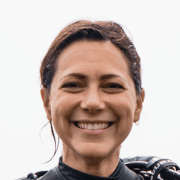
Central America is a thin strip of land bridging two continents and two oceans—and yet it holds an outsized share of the world’s biodiversity. Rainforests echo with howler monkeys, mangroves shelter crocodiles, and offshore reefs form part of the second-largest barrier reef system on Earth. Volcanic lakes, turtle-nesting beaches, and coral atolls make it one of the most diverse eco-regions in the world. Despite pressures from development and deforestation, communities are pioneering marine protection and ecotourism, proving that conservation and culture can thrive together.
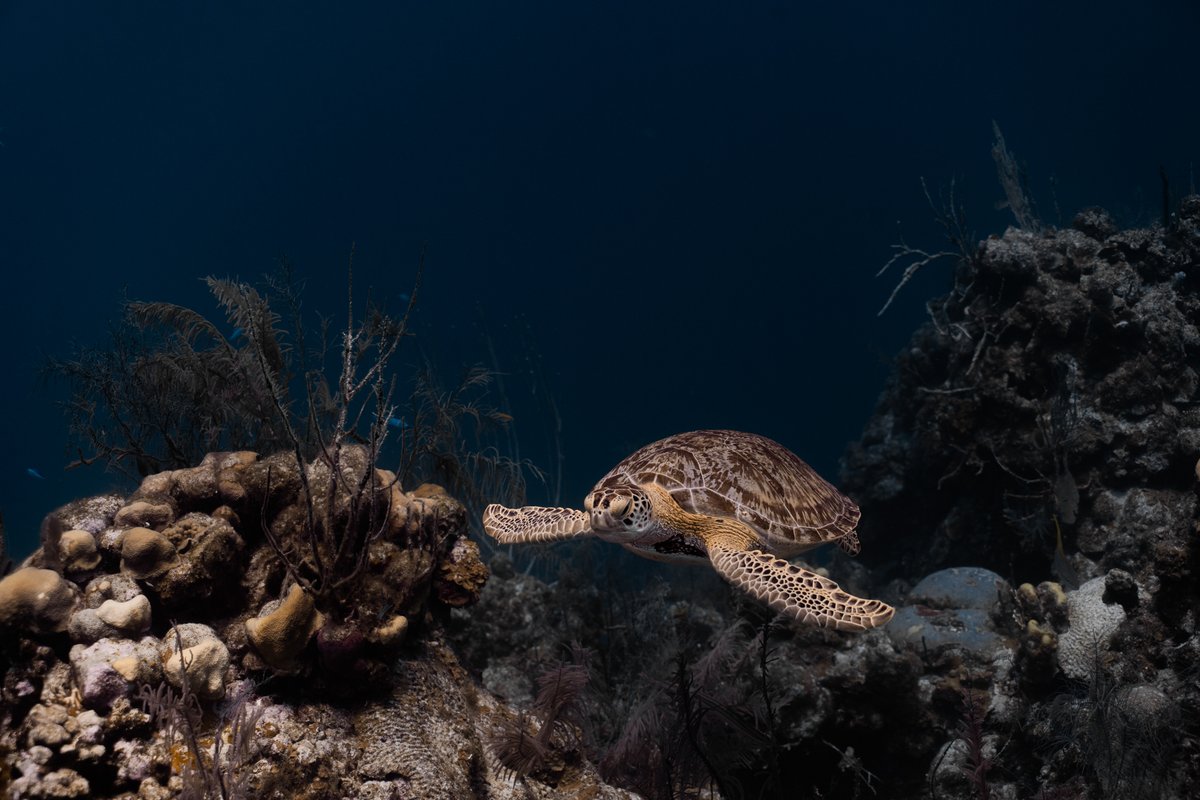
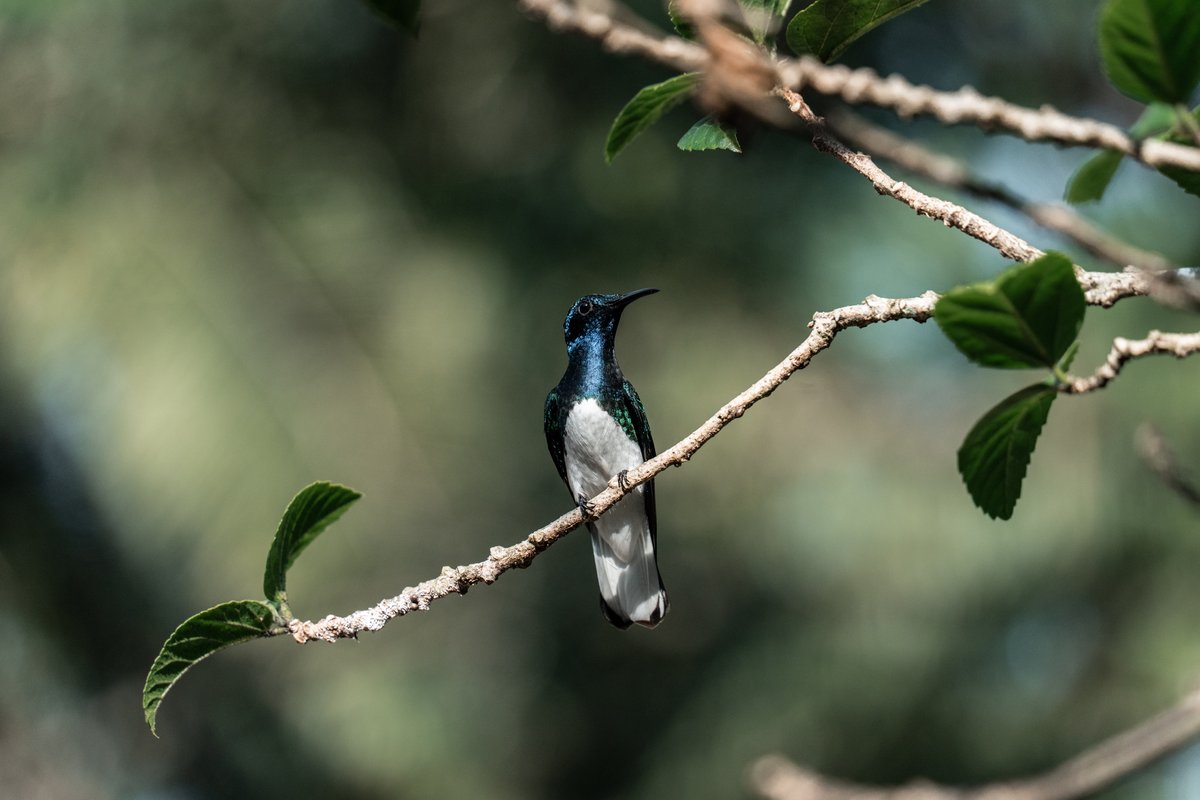
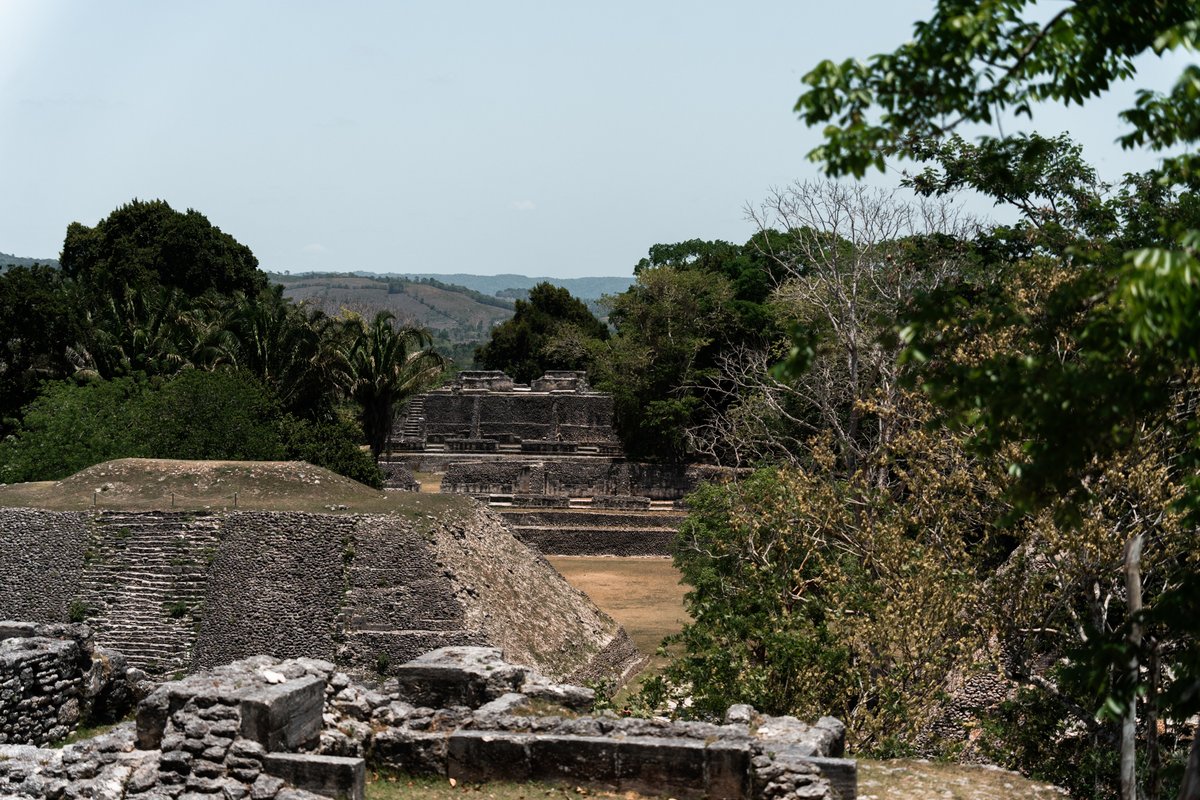

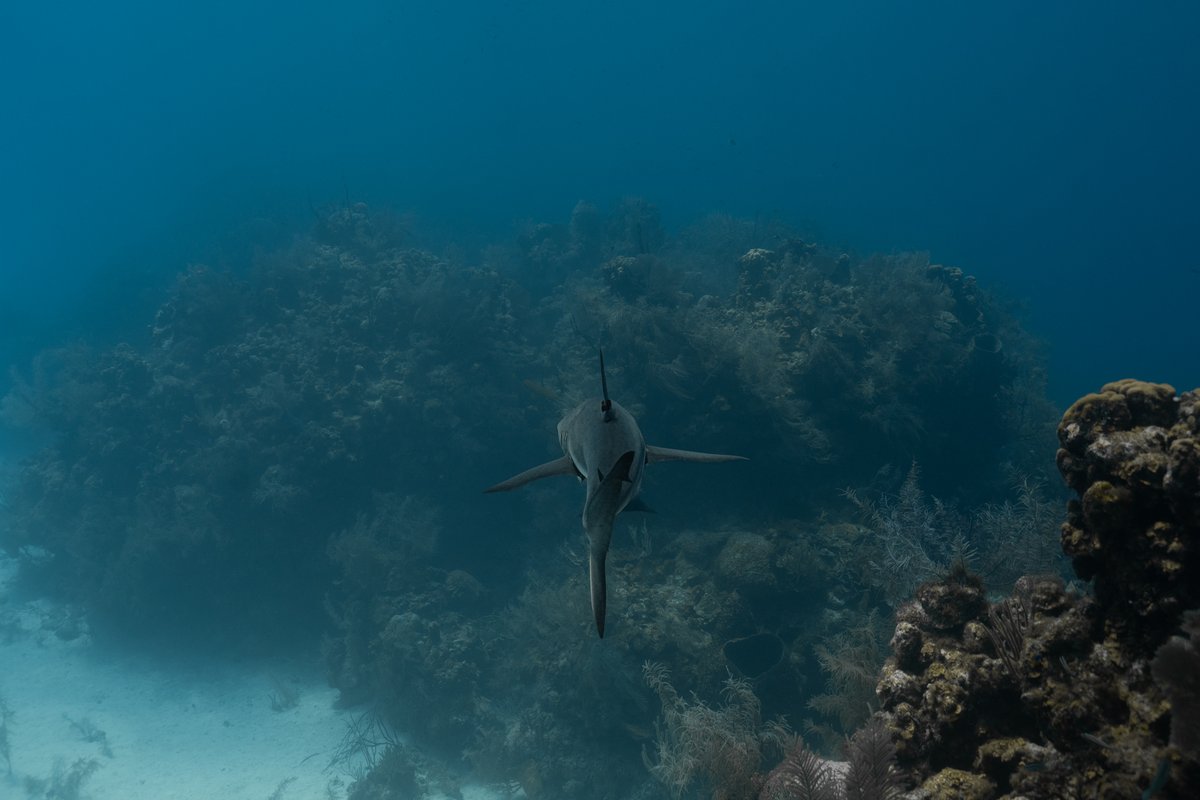
Belize is more than the Blue Hole. Along its coast, the world’s second-largest barrier reef stretches for hundreds of miles, alive with whale sharks, sea turtles, and bright schools of reef fish. Mangroves and atolls add layers of habitat, while Garifuna and Creole communities live alongside these ecosystems, shaping a culture that is deeply tied to land and sea. Few places balance conservation and access as seamlessly as Belize.
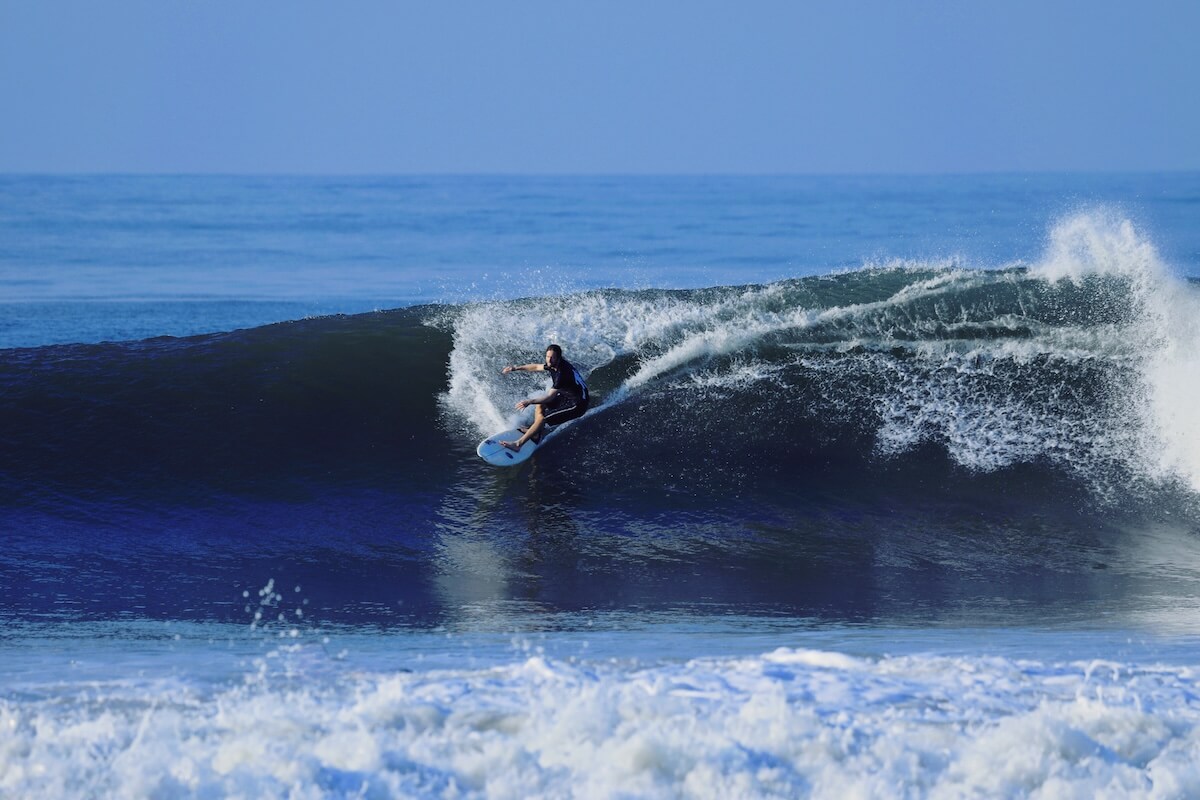
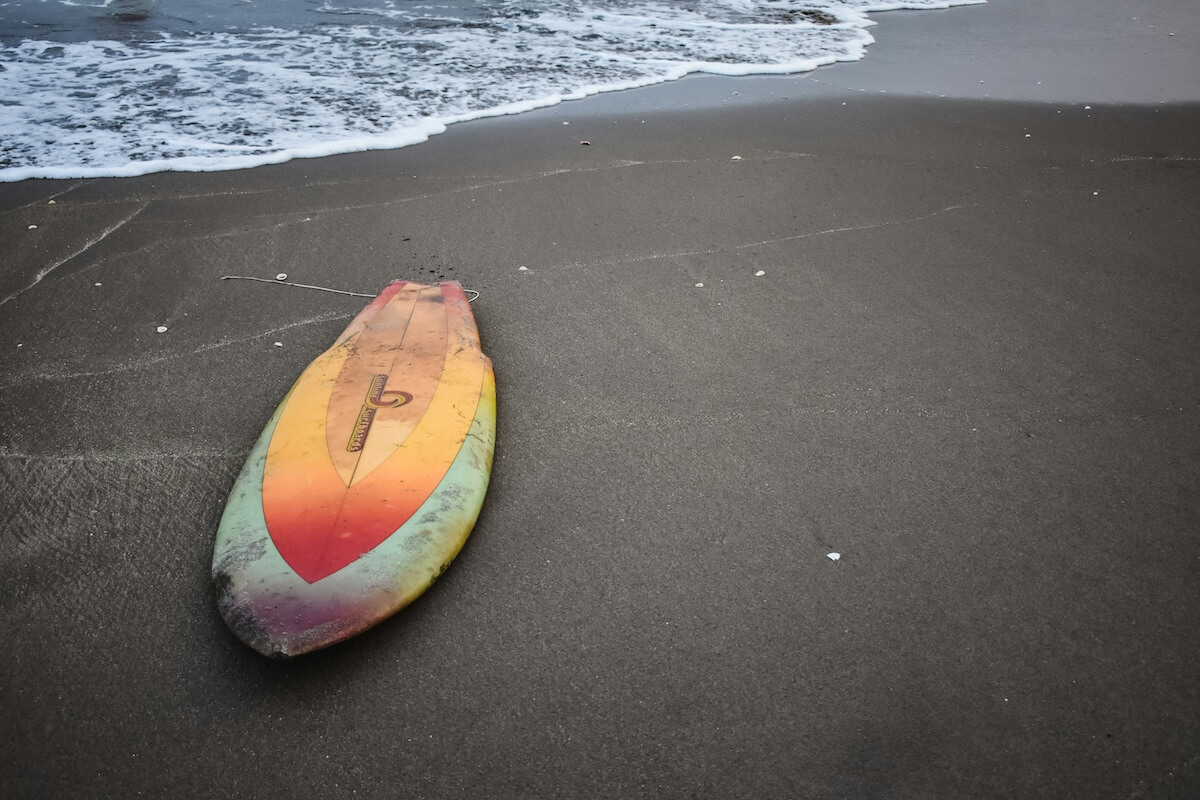
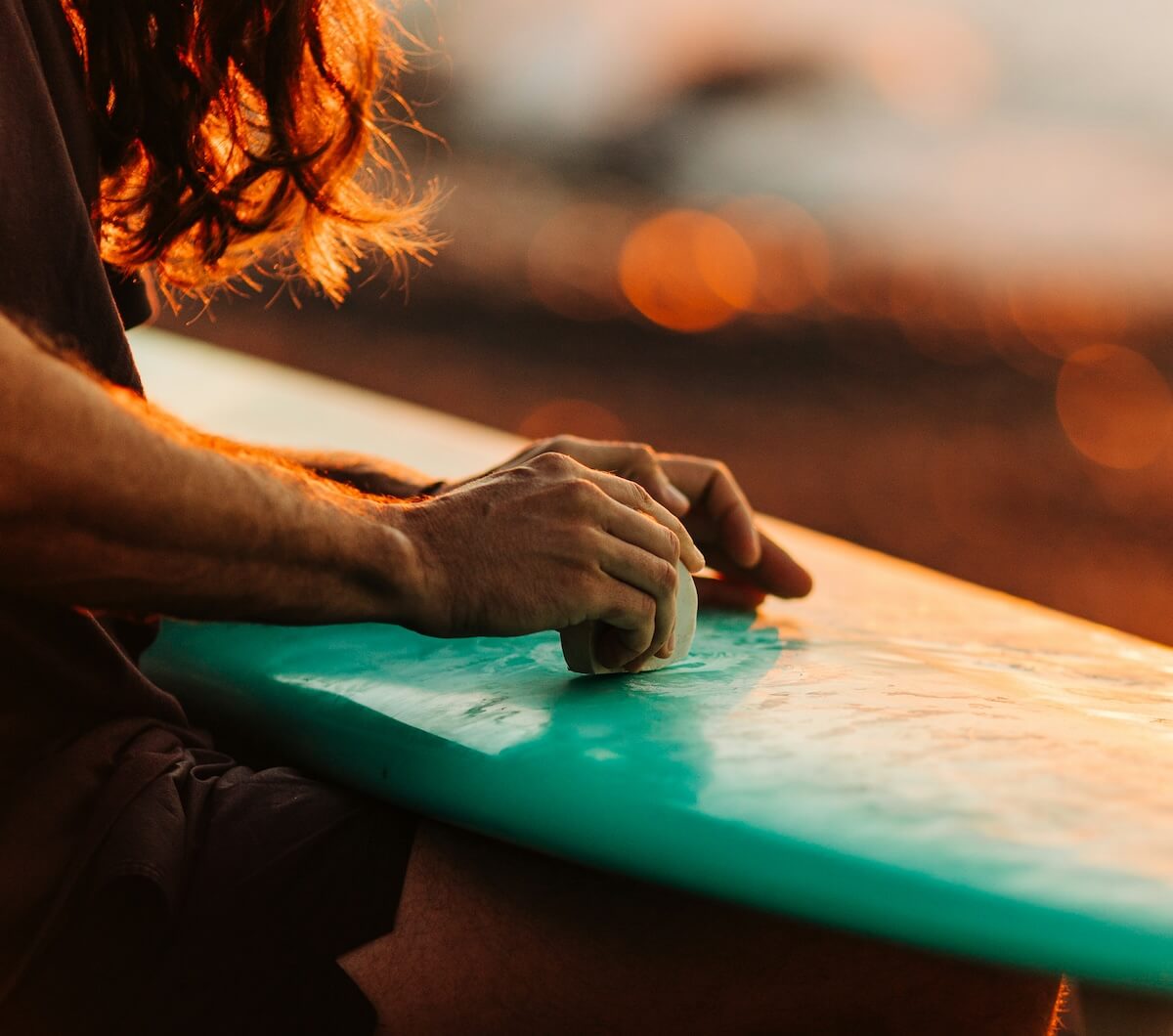
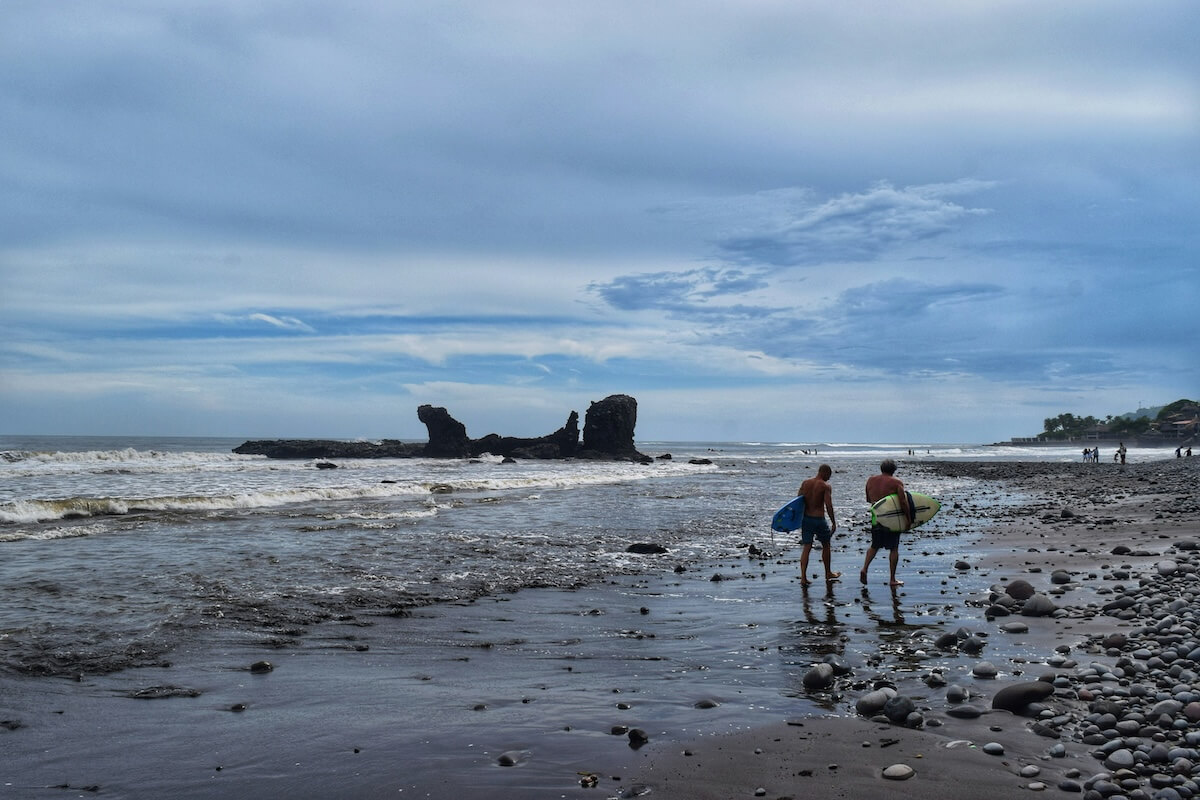
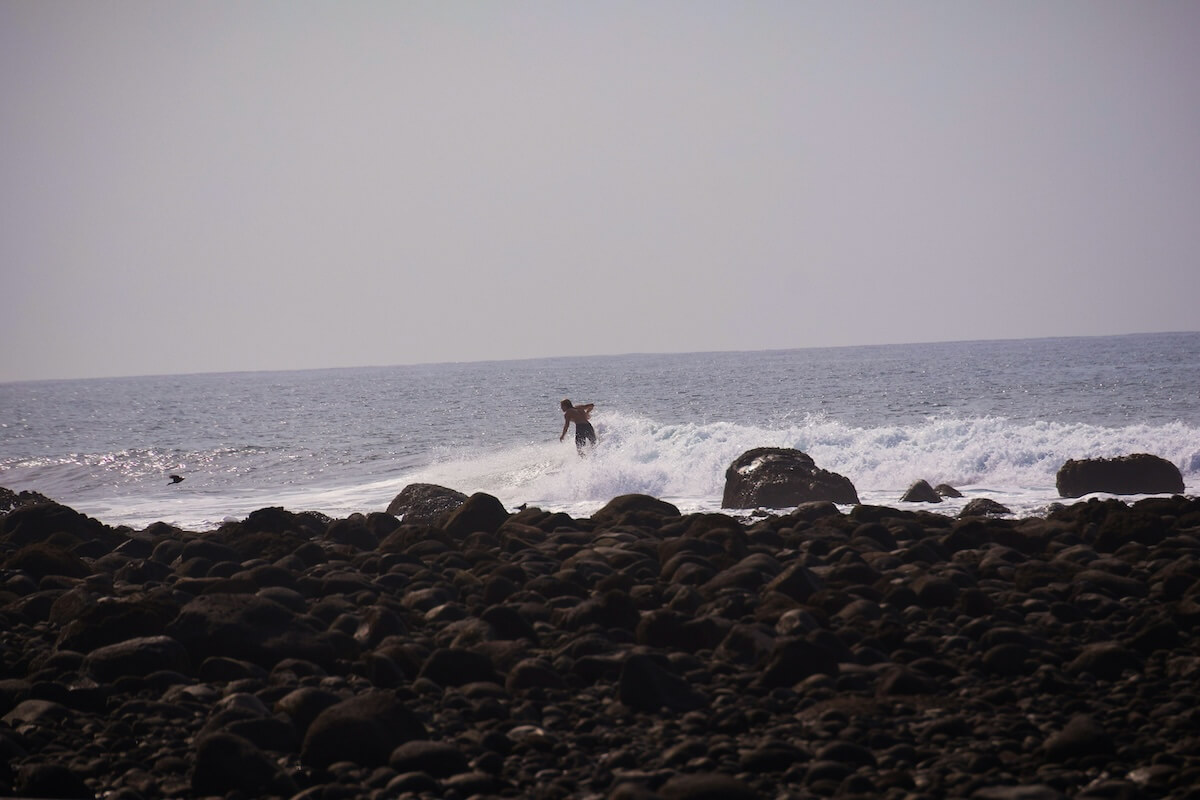
El Salvador is a country built on waves. Its Pacific shoreline is lined with volcanic points and sandy bays that produce some of the most consistent surf in the world. Breaks like Punta Roca and El Zonte draw surfers chasing long right-handers and powerful barrels, while quieter stretches of coast offer empty waves for those willing to explore. The same volcanic forces that shape its reefs and cliffs also give the waves their punch, making El Salvador a rising star in global surf culture.
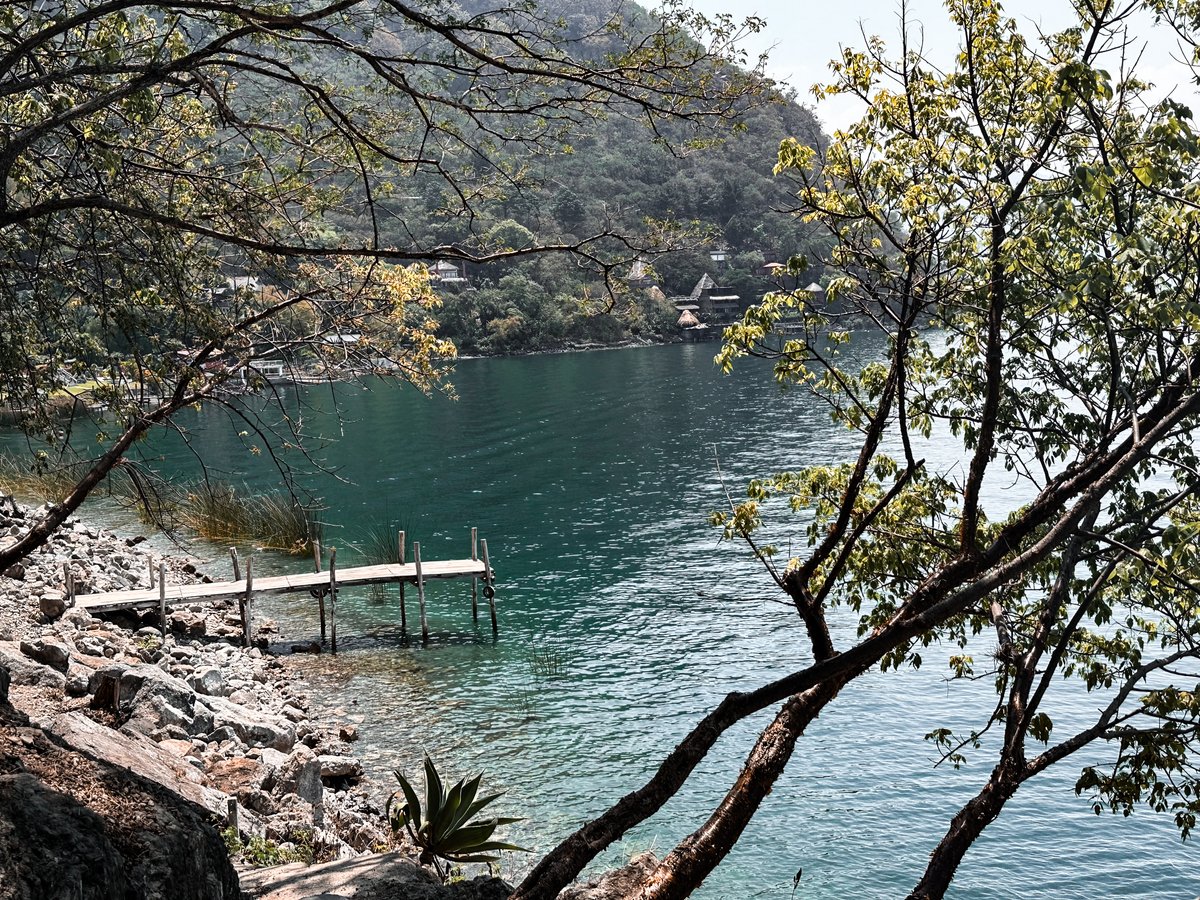
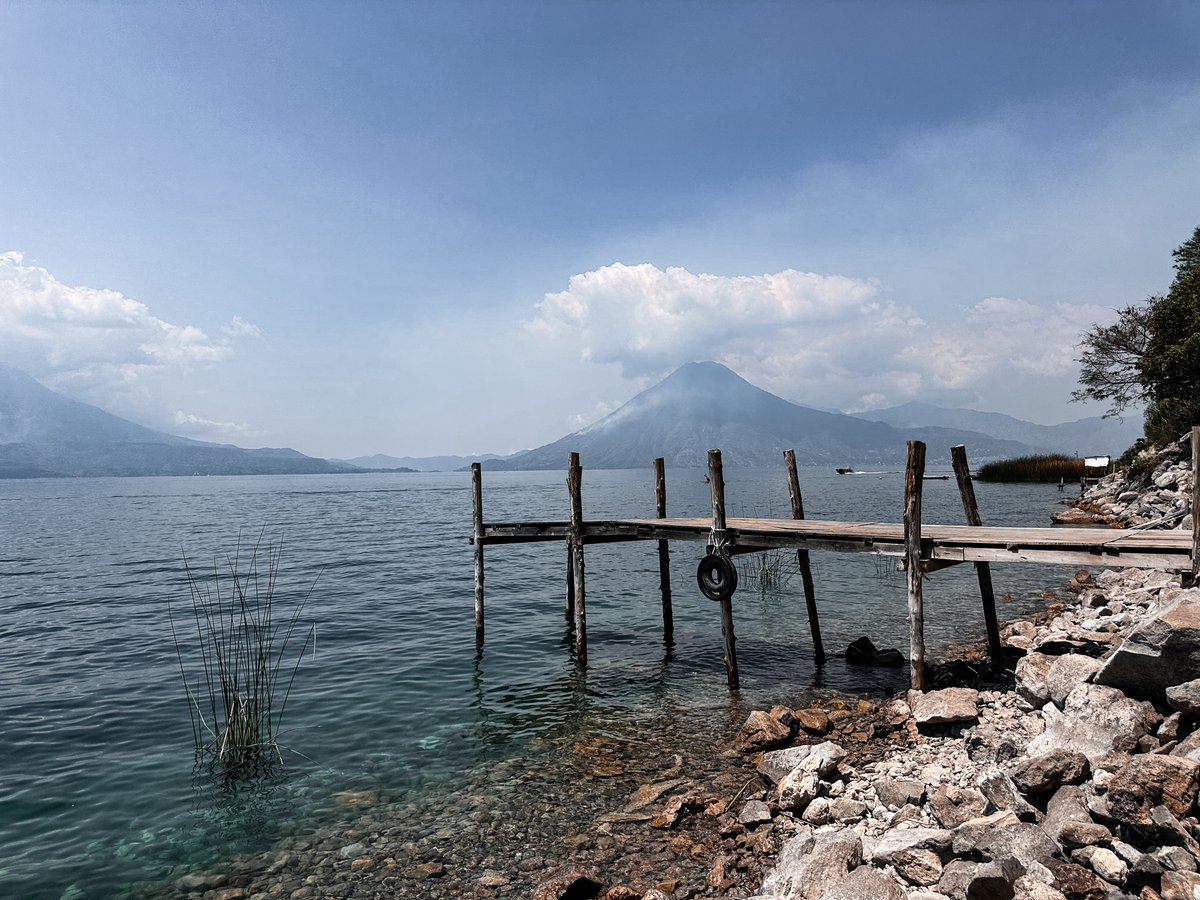


Guatemala is a country where ancient history and raw wilderness are inseparable. Volcanic peaks dominate the skyline and its Caribbean coastline offers a different kind of tropical wild. Beneath the water, freshwater lakes born from collapsed volcanoes reveal surreal dive sites, while coastal mangroves and reefs provide habitat for manatees, turtles, and fish. Add in the Mayan ruins that rise from the forest, and Guatemala becomes a rare blend of culture and wild places that few ever consider as a place to dive.
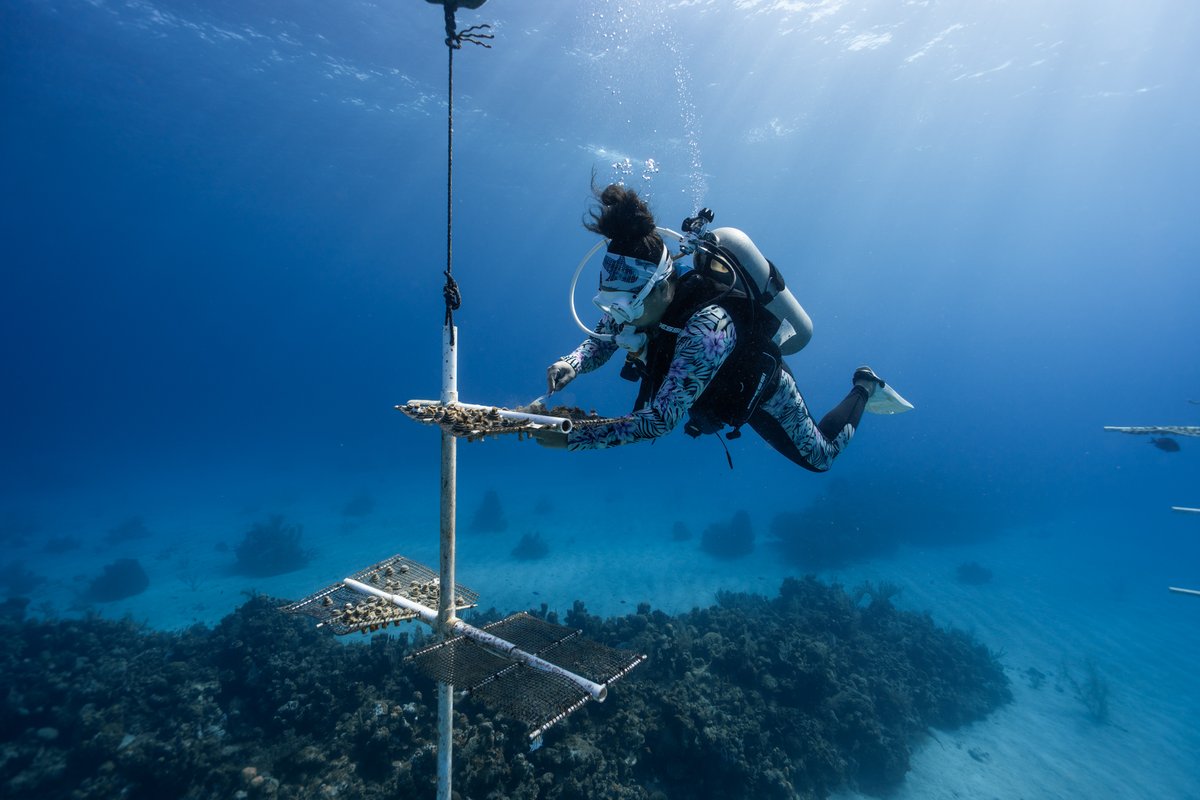
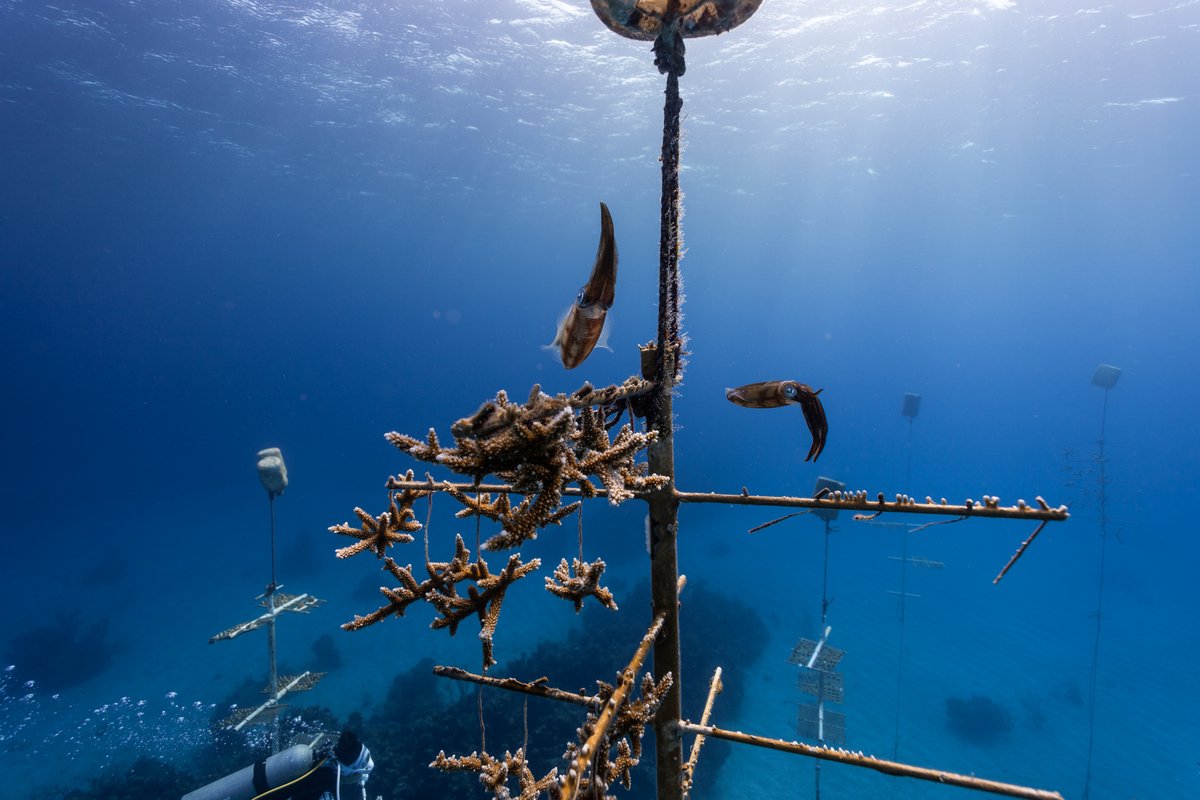
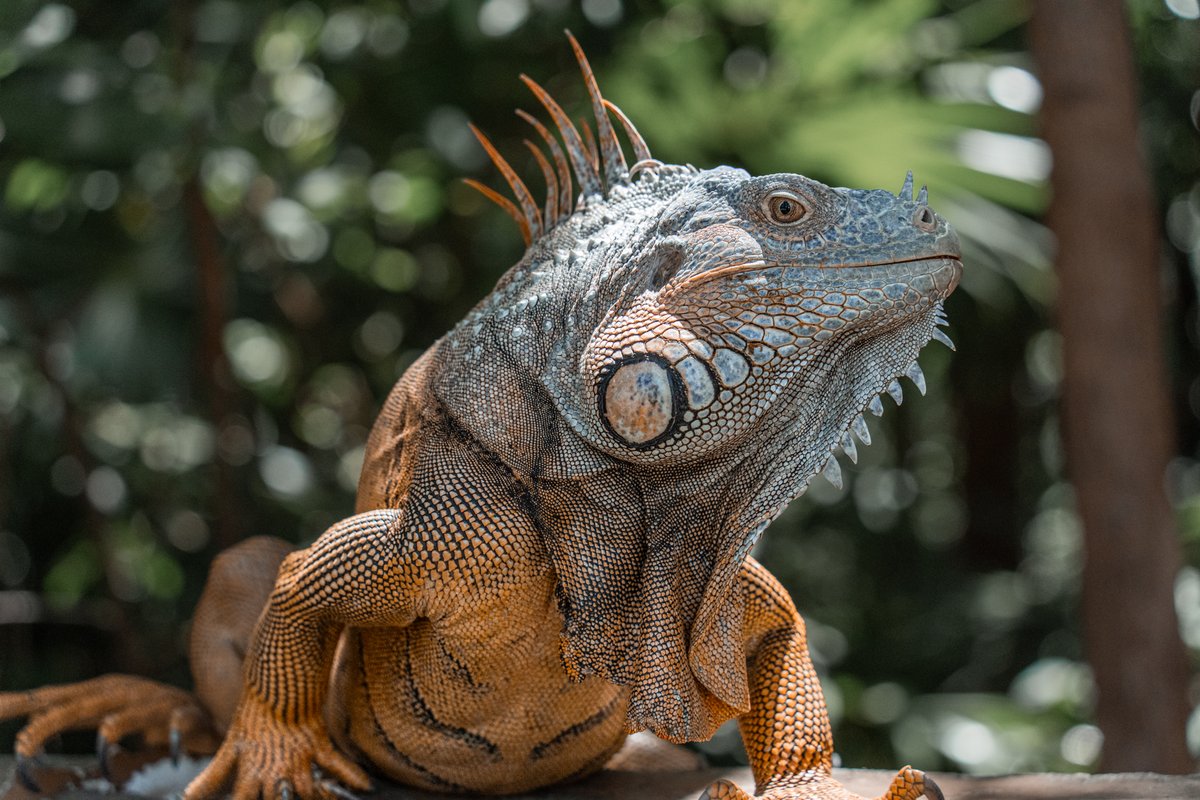
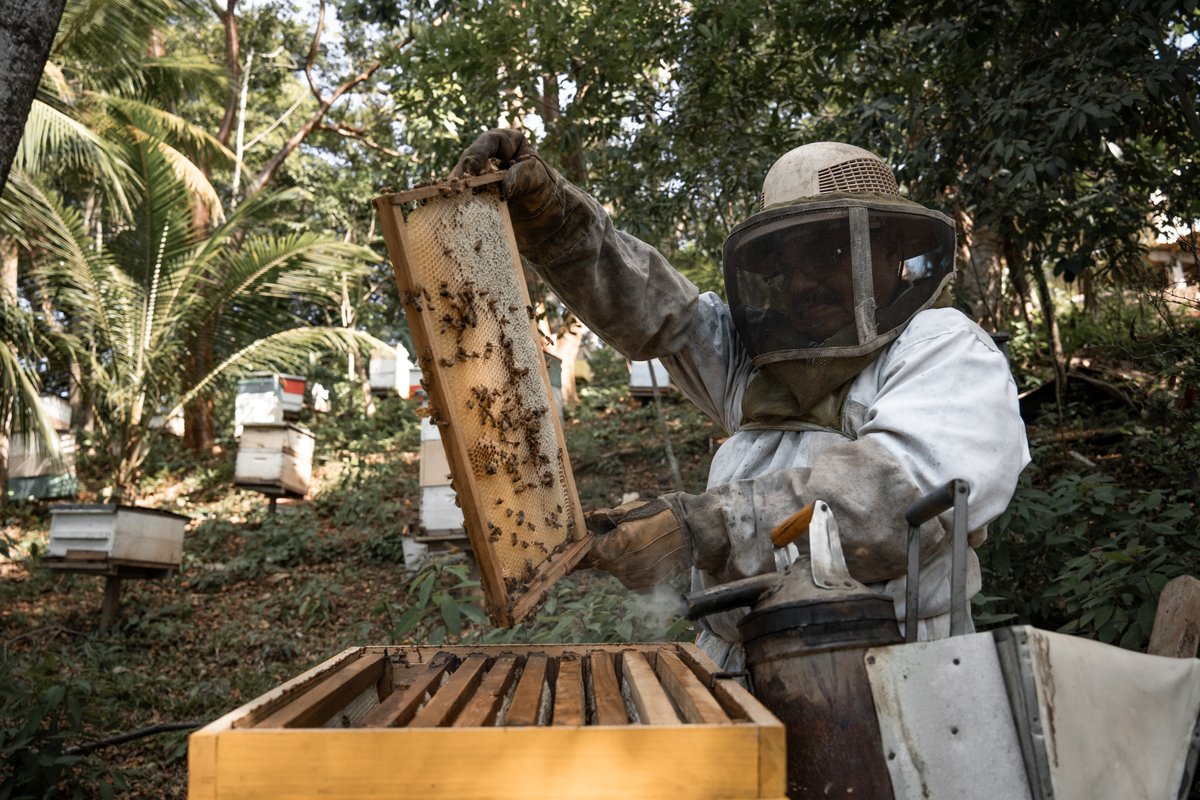
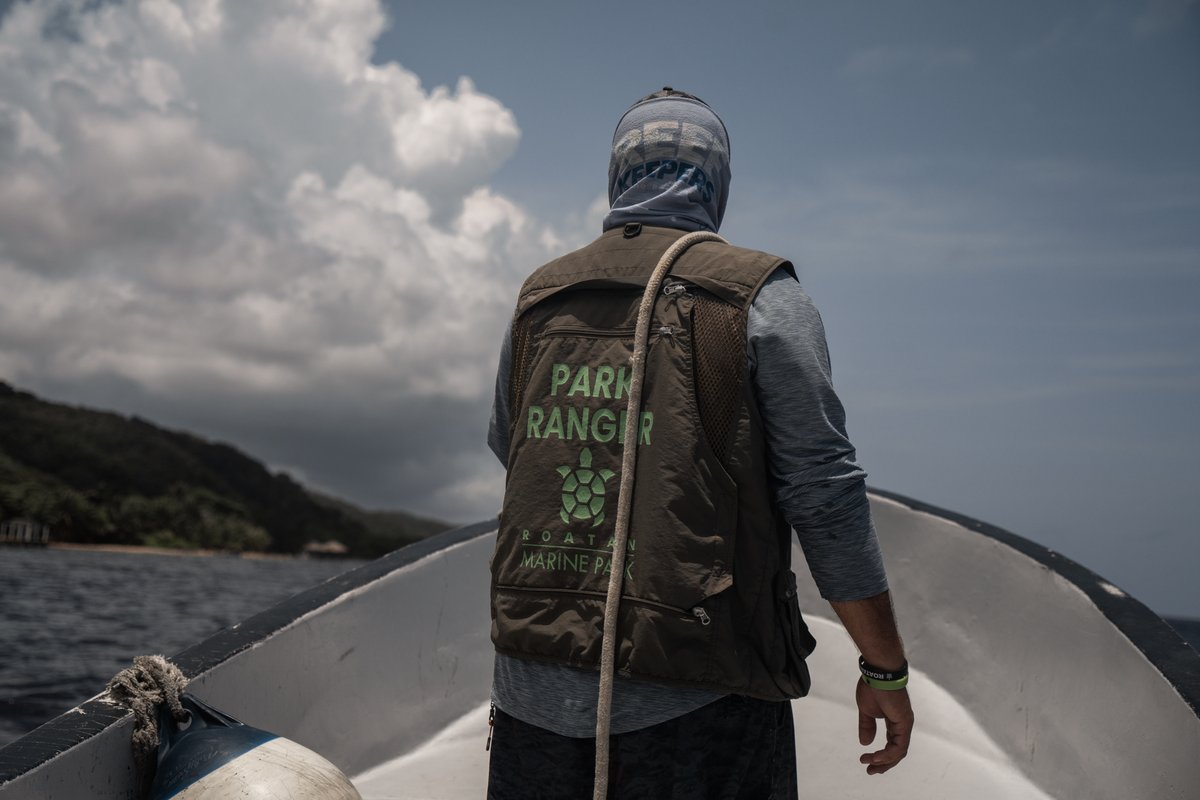
Honduras is defined by the Bay Islands—Roatan, Utila, and Guanaja—where the Mesoamerican Barrier Reef runs rich with life. Whale sharks pass along these waters, coral walls drop into the blue, and mangroves shelter nurseries for countless fish species. Inland, jungles and mountains hold a different kind of wild, from howler monkeys to scarlet macaws. Few places in the Caribbean match Honduras for biodiversity both above and below the surface, making it a dive capital in Central America.

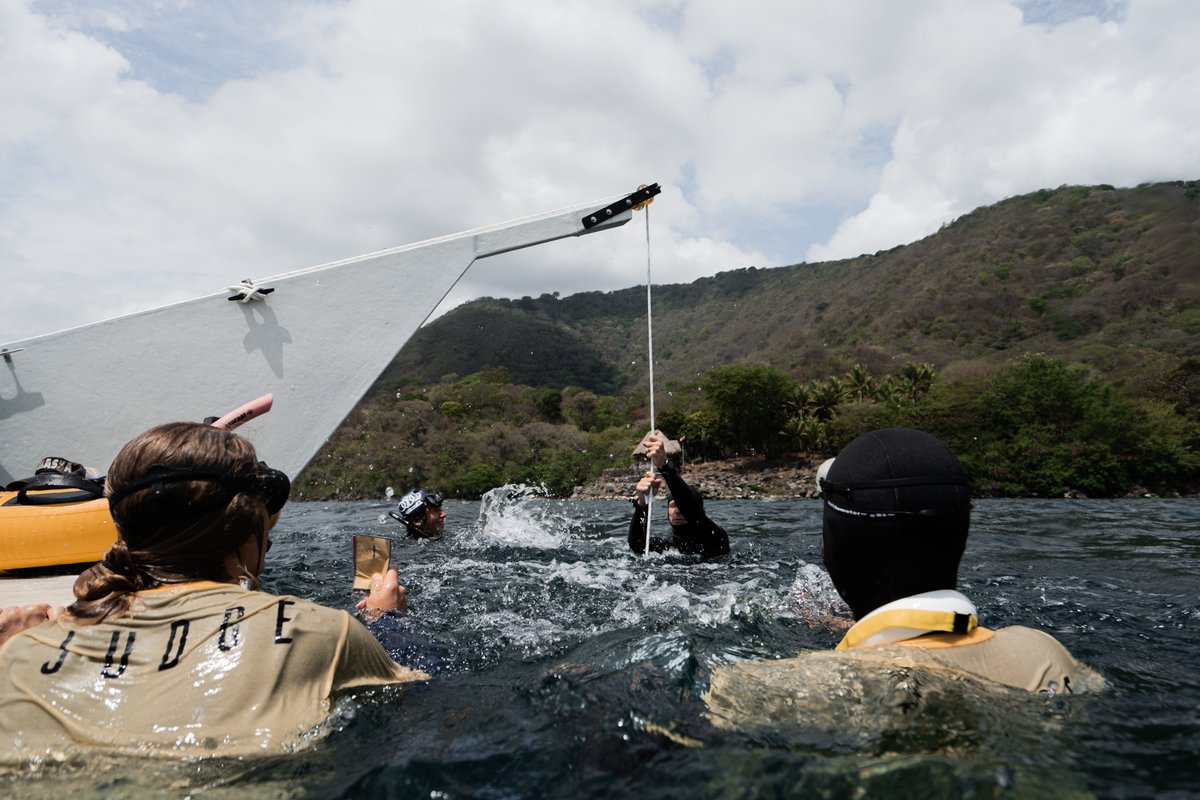


Nicaragua bridges oceans, lakes, and volcanoes in a way that feels entirely its own. On the Pacific coast, rocky reefs and sandy bays support turtles, fish, and migrating humpback whales. On the Caribbean side, remote islands and mangroves show a ton of reef life. Inland, volcanic crater lakes offer a freshwater dive experience found nowhere else—often warm and clear, it’s steeped in geological history. Combined with its colonial cities and living Indigenous cultures, Nicaragua delivers adventure across landscapes that are still largely off the grid.

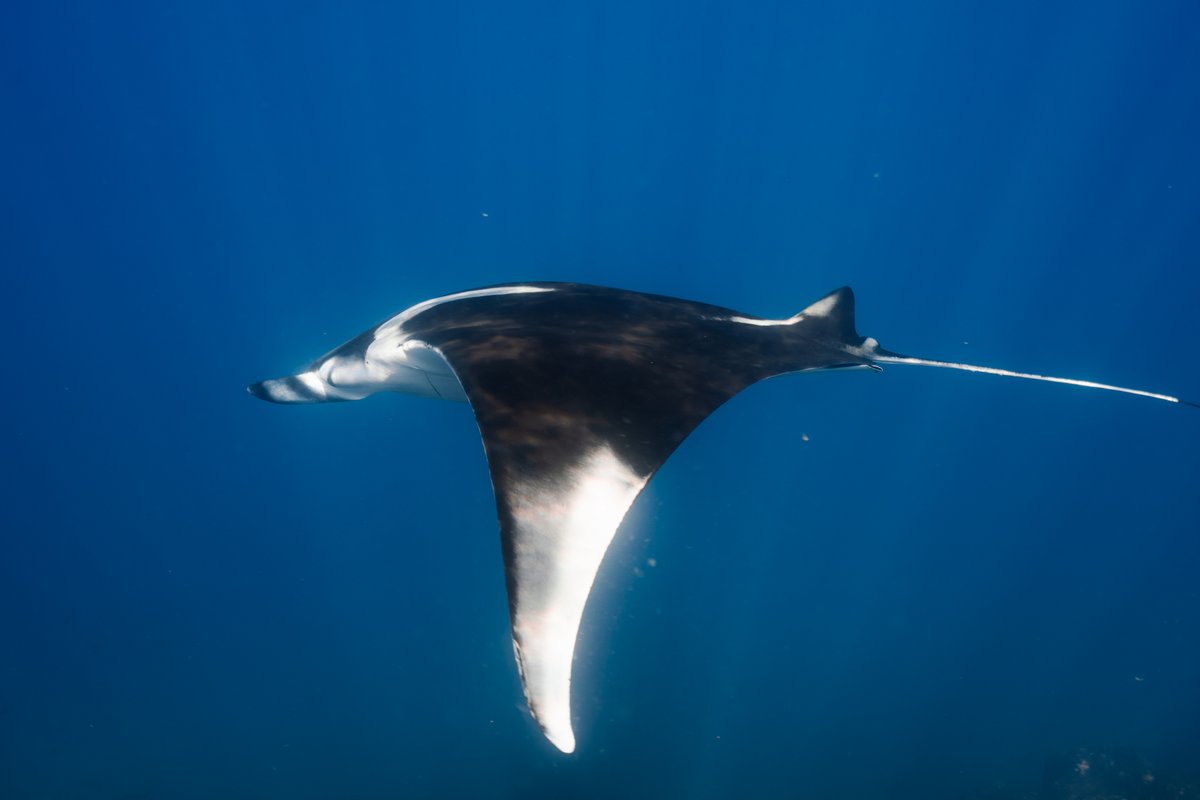


Costa Rica is one of the most biodiverse countries on Earth, with two coasts offering entirely different marine worlds. On the Pacific side, volcanic formations, seasonal migrations of humpback whales, and rich coral ecosystems create endless opportunities for diving. The Caribbean side holds mangroves, seagrass beds, and colorful reefs. Inland, rainforests and cloud forests shelter jaguars, monkeys, and more bird species than most countries combined. Known for its conservation leadership, Costa Rica proves that wild places can thrive when we put nature first.
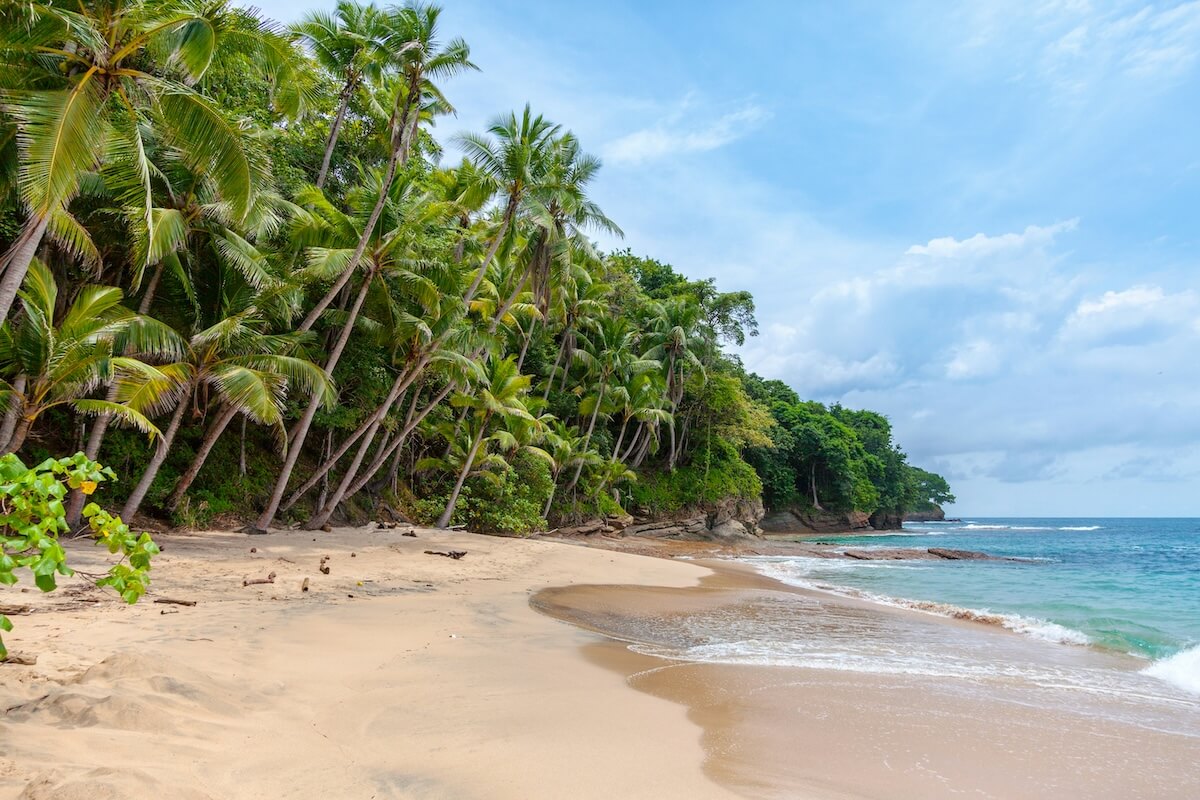
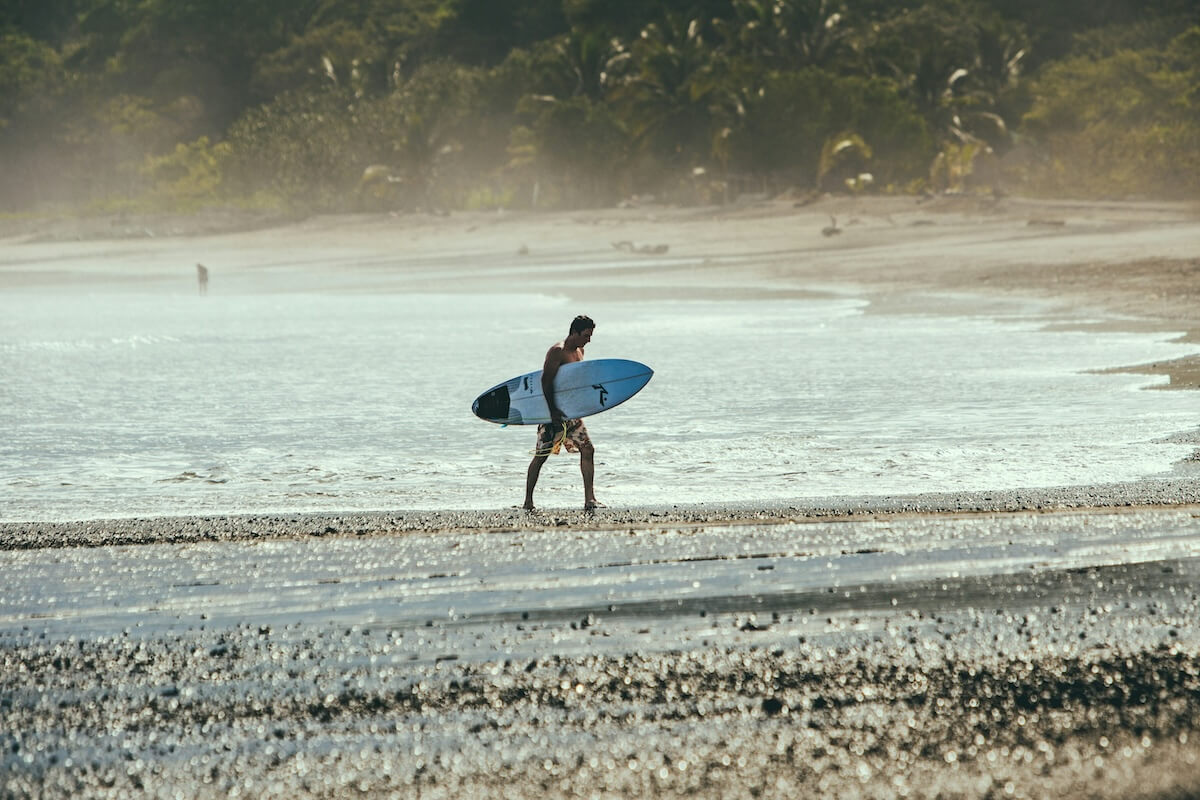
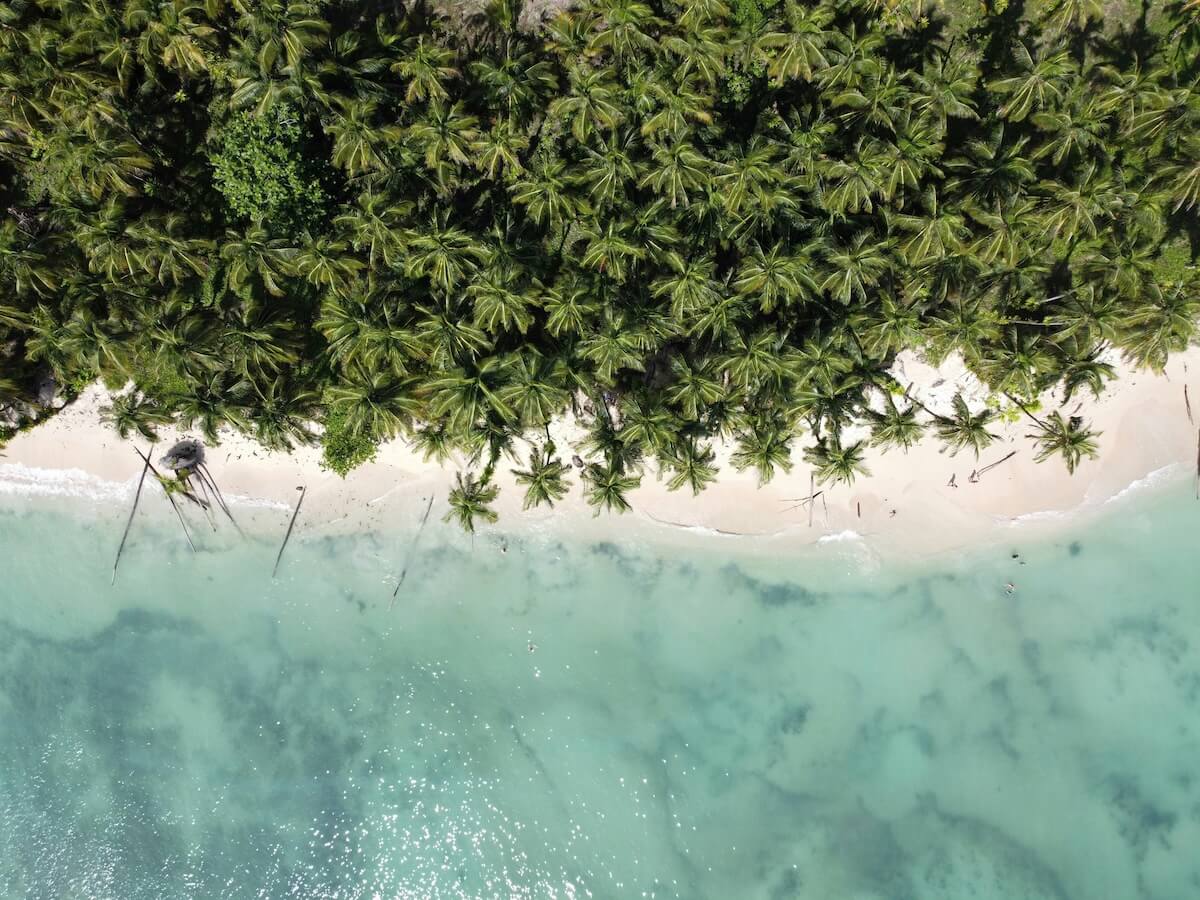
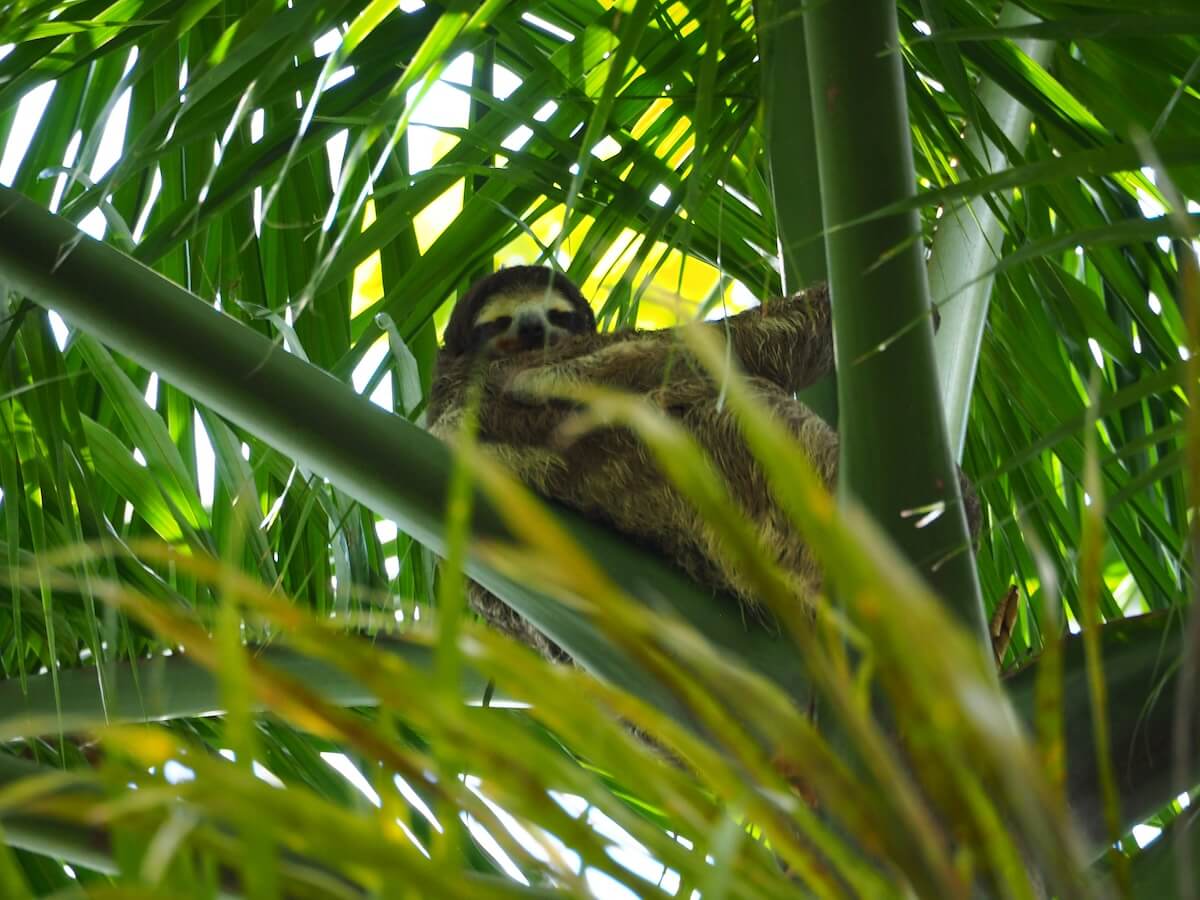
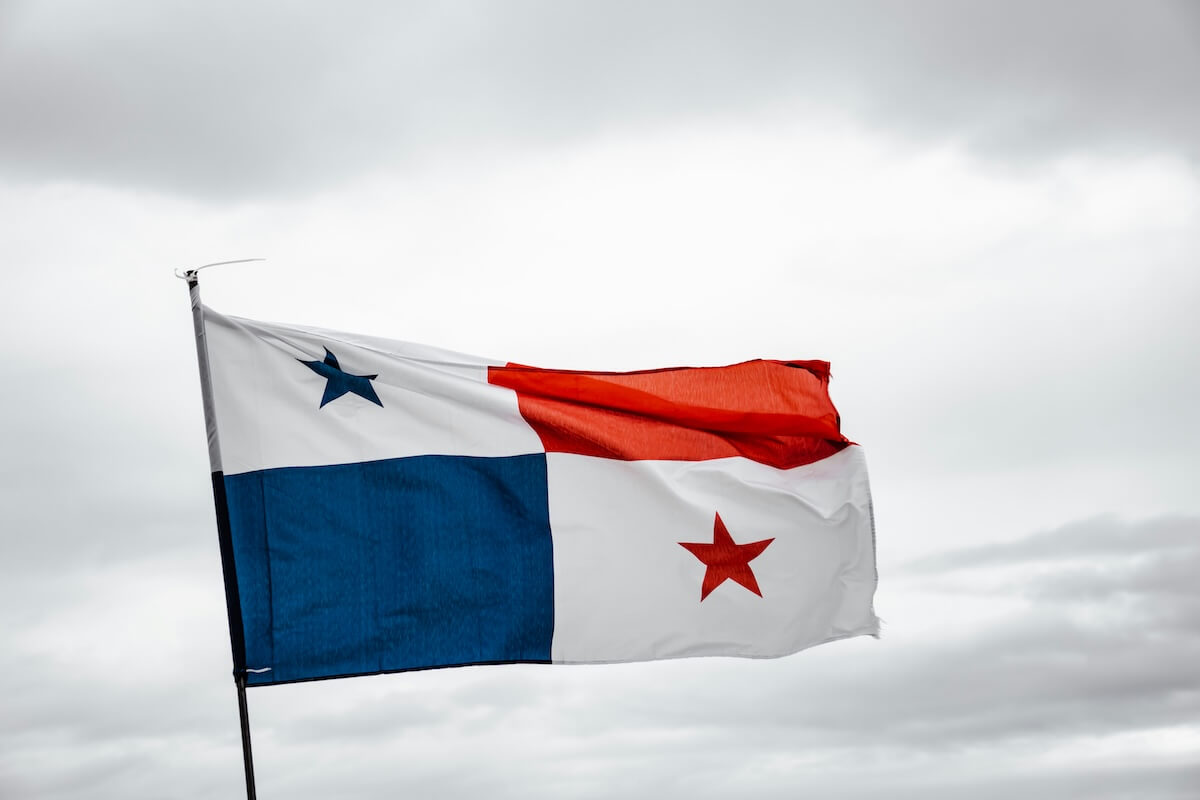
Straddling the Pacific and the Caribbean, Panama offers two oceans easily accessible in one country. The Pacific coast is wild—currents sweep through national parks and offshore islands, drawing in whale sharks, mantas, and migrating humpbacks. On the Caribbean side, calm waters hold coral reefs, shipwrecks, and schools of reef fish. Cutting between them, the Panama Canal links ecosystems and shows how geography and biodiversity can collide.





.png)
.png)
.png)

.png)




.png)
.png)

.svg)